Ayurveda and Plant Medicine Sessions in Colorado
Sangam Team · May 29, 2026
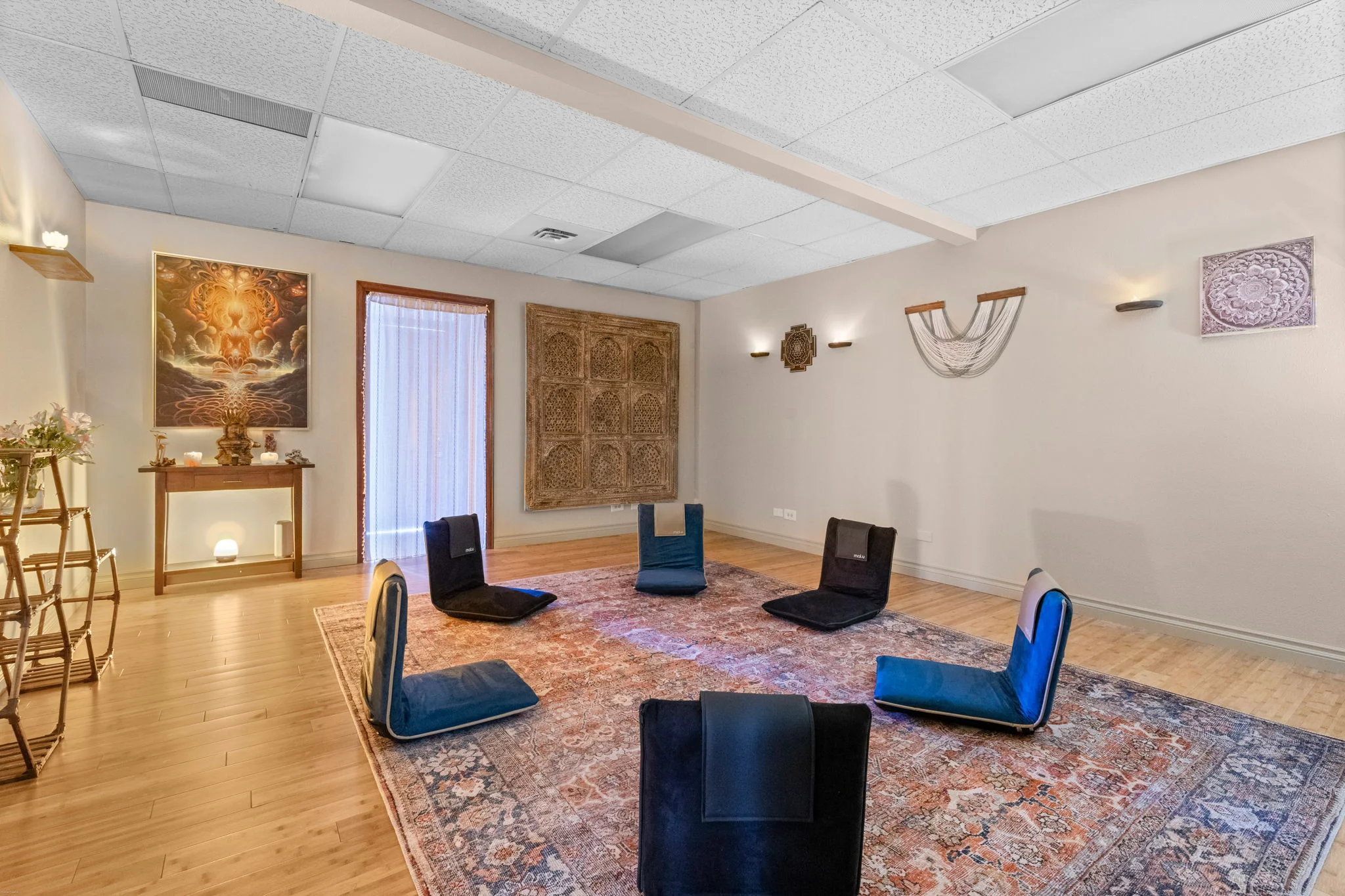
Legal plant medicine sessions in Colorado are opening new doors for people who want healing that honors both science and spirit. At Sangam Healing Center in Lakewood, we bring psychedelic-assisted therapy together with Ayurveda, psychotherapy, and somatic work so that people are not only having big experiences — they are also supported in making grounded, lasting change.
Our focus is on mind, body, and spirit as a single, living system. Legal plant medicine in a therapeutic setting is different from recreational use because it centers safety, consent, and clear intention. By weaving in Ayurvedic wisdom and nervous system care at every step, we help clients prepare for their session, move through expanded states with more stability, and integrate what they learn into their daily lives in a way that feels both practical and sacred.
The Ayurvedic Map of Mind, Body, and Spirit
Ayurveda, the traditional healing system of India, starts from the understanding that everyone is born with a unique constitution. This constitution is shaped by the doshas — Vata, Pitta, and Kapha — which are patterns of energy that influence your body, emotions, and even how you relate to altered states.
- Vata relates to air and space, and shows up as creativity, sensitivity, quick thinking, and also anxiety or restlessness when out of balance
- Pitta relates to fire and water, and brings clarity, focus, and courage, but can turn into irritation or intensity when it is too high
- Kapha relates to earth and water, and gives stability, compassion, and endurance, but can slide into heaviness or withdrawal when it builds up
Ayurveda also describes the gunas — Sattva, Rajas, and Tamas — as qualities of the mind. Sattva is clarity, peace, and connectedness. Rajas is activity and drive. Tamas is inertia and dullness. In psychedelic work, we are especially interested in increasing Sattva, so that insight is paired with calm, kindness, and discernment.
At Sangam Healing Center, we bring this framework into preparation and aftercare. We get curious about each person's dosha pattern and current imbalances, then shape recommendations around that. For one person this might mean more grounding food and routine to support Vata before a session. For another, it may mean cooling practices so Pitta does not flare into anger, or gentle activation so Kapha does not sink into fatigue afterward.
Psychedelic States Through an Ayurvedic and Nervous System Lens
Psychedelic states can be intense, beautiful, disorienting, or all three. Through an Ayurvedic lens, we can describe how these states interact with the doshas. Expanded, visionary states often increase Vata, which can bring insight and inspiration but also confusion or fear if the person does not feel supported. Fiery, cathartic experiences can raise Pitta, bringing sharp awareness and emotional release, or, if not held carefully, anger or self-judgment. If Kapha is disturbed, someone might feel heavy, numb, or checked out instead of present with their experience.
We also pay close attention to the nervous system. In simple terms, the nervous system has two common stress states:
- Sympathetic arousal — a fight-or-flight response, which can show up as anxiety, racing thoughts, or intense emotions in a session
- Dorsal shutdown — a collapse state, which can look like numbness, dissociation, or feeling far away
Our somatic and Ayurvedic tools are designed to work with both. We help people stay in the window of tolerance — that middle zone where they can feel something meaningful without being overwhelmed or shut down.
How Ayurveda Shapes Our Preparation and Session Support
Preparation is where the Ayurvedic influence becomes very concrete. Depending on what we discover together, suggestions may include:
- Adjusting sleep and daily routine to create more rhythm and predictability
- Tending to food choices that ground Vata, cool Pitta, or lighten Kapha
- Simple teas or self-care practices to support digestion and relaxation
- Breathwork and gentle movement that calm or activate the system in a balanced way
During the plant medicine session itself, we bring in somatic practices, ritual elements, and guided inquiry that match your dosha and guna balance. For someone with a lot of Vata, we may emphasize warmth, weighted blankets, slower pacing, and regular orienting to the room. For strong Pitta, we might support cooling, softening, and self-compassion. With Kapha, we may gently invite more expression, sound, or movement so that insight does not get stuck.
Throughout, our psychotherapeutic and somatic training shapes the way we offer prompts, reflections, and silence. The goal is to create a container where the medicine can work in partnership with your own inner wisdom, while your body and mind feel held enough to relax.
Integration as Ongoing Ayurvedic and Somatic Practice
The most meaningful changes tend to unfold after the session, in daily life. For us, integration is not just talking about what happened; it is about helping the nervous system and subtle body catch up with what the heart and mind discovered.
We often support clients with individualized Ayurvedic routines that translate insight into action, such as:
- Grounding foods, warm oils, and consistent schedules for Vata, so inspiration does not scatter into burnout
- Cooling practices, clear boundaries, and rest for Pitta, so new clarity does not turn into harshness toward self or others
- Gentle activation, inspiration, and community support for Kapha, so realizations do not sink under old patterns of avoidance
Alongside this, we draw on psychotherapy and body-based work to help people process emotions, complete stress cycles, and practice new ways of relating. Simple somatic tools, like tracking sensations or orienting to safety, help maintain nervous system balance as life brings its usual challenges.
Choosing a Safe, Integrative Path with Plant Medicine
For anyone considering legal plant medicine sessions in Colorado, it is important to look beyond the promise of a single powerful night. Safety, trauma-informed care, and thoughtful preparation and integration matter just as much as the medicine itself. Settings that honor the body, mind, and spirit as a unified whole tend to support deeper, steadier transformation.
At Sangam Healing Center, we root our work in a mind-body-spirit framework that includes the doshas, the gunas, and the nervous system. We offer individual, couples, and small group sessions for those who feel called to a spiritually grounded, relational, and clinically informed approach to psychedelic-assisted therapy. For many people, weaving Ayurveda with plant medicine opens a path that feels both ancient and contemporary, mystical and practical, visionary and deeply embodied.
If you feel called to explore a deeper level of healing, we invite you to learn more about our legal plant medicine sessions in Colorado. At Sangam Healing Center, we create safe, supportive environments guided by experienced facilitators who honor your pace and intentions.
Ready to begin your journey?
Book a Consultation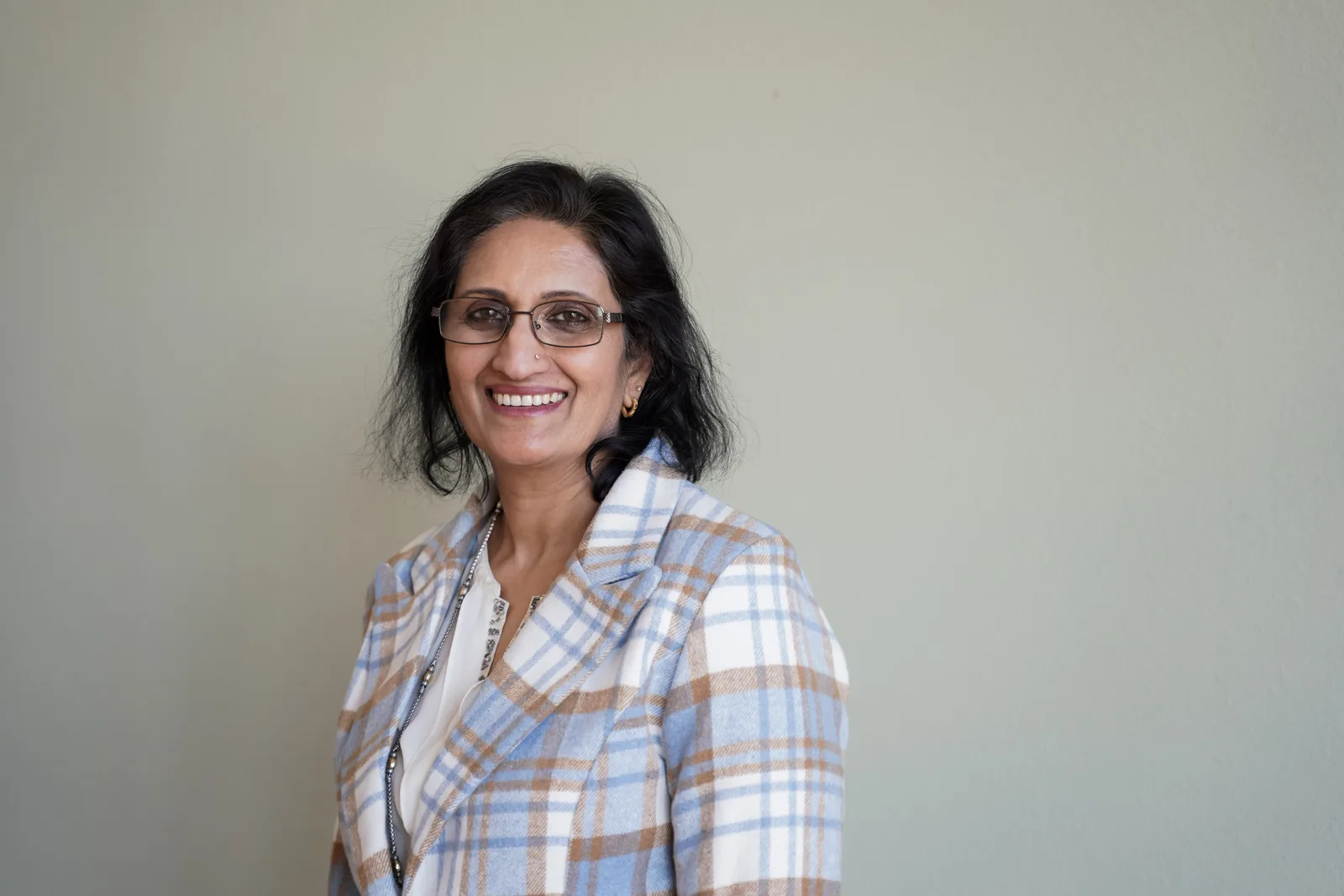
Written by
Sujatha Reddy, LPC, BC-TAM, NMCF
Founder & Executive Director, Sangam Healing Center
View profile →