
Mistakes to Avoid When Booking a Psilocybin Journey in Colorado
Sangam Team · June 15, 2026
Booking a psilocybin experience in Colorado is a big step. The decision can touch old pain, long-held questions, and deep hopes for change. How you prepare and who you choose to sit with will shape what this experience feels like in your body, mind, and relationships.
Colorado now allows supported adult use of psilocybin in new ways, so more people are choosing legal, guided sessions instead of underground options. As interest grows, so does confusion. The most common problems start long before dosing day, in the research, screening, and booking stages. Our aim here is to help you avoid those missteps so you can feel safer, more informed, and more empowered as you move toward this kind of healing work.
Rushing to Book Without Clarifying Your Intentions
One of the biggest mistakes is moving too fast. It is easy to feel pulled in by hype, social media, or friends who say you 'have to try it.' When that happens, people sometimes book a session before asking themselves what they really want from the experience. Psilocybin tends to amplify what is already present. If you are unclear, pressured, or only chasing a big story to tell later, the medicine can heighten confusion or anxiety instead of insight.
Before you book a psilocybin journey in Colorado, try asking yourself:
- What am I hoping to heal, understand, or open to?
- Am I willing to meet difficult emotions if they arise?
- How have I handled intense emotional states in the past?
- What support will I have in the days and weeks after?
A trauma-informed center will usually slow you down, not speed you up. You can expect things like intention-setting sessions, mental health screening, and honest talk about what psilocybin can and cannot do. That reflection helps your system feel more ready when you finally sit with the medicine.
Overlooking Legal, Ethical, and Safety Protections
Another common mistake is assuming that if something is 'legal,' it must be safe. Colorado has its own regulatory structure, and people are doing this work in many different ways. Legal does not always mean trauma-informed, and not every provider offers the same level of care. At a minimum, you can expect:
- Clear information about how their work fits within Colorado rules
- Written agreements that outline expectations and boundaries
- Thoughtful consent processes, including the option to say no or pause
- Confidential handling of your personal information
- Simple emergency plans for physical or emotional concerns
Some red flags include vague or evasive answers about legality, pressure to pay in certain ways without receipts, no written forms, or a lack of interest in your health history and current medications. When someone brushes off questions about your heart health, psychiatric history, or past trauma, they may not be prepared to support you if things get intense. Trauma-informed care matters — a good facilitator understands things like dissociation, panic, and triggering memories, and knows how to respond without shaming or blaming.
Ignoring the Crucial Role of Preparation and Integration
Many people focus entirely on the medicine day and underinvest in the work before and after. Preparation is where you build the inner container that makes the experience safer and more meaningful. Integration is where lasting change actually happens. Skipping or rushing either phase is one of the most common ways people walk away feeling unmoored, confused, or even destabilized.
Ask any provider you are considering: What does your preparation process look like? How many sessions are included? What support is available after? If the answer is a single phone call before and nothing after, that is a sign to look elsewhere.
Choosing the Right Setting and Sensory Support
The physical setting matters more than many people expect. Before you book, think about whether the space offers:
- A comfortable, private space where you feel safe to express yourself
- Calming sensory input, like soft lighting, blankets, or gentle sound
- Access to nature, even if it is just a view of trees or sky
- Clear boundaries around touch, conversation, and movement
Somatic practices make a big difference here. Simple breathwork, gentle movement, and grounding touch — always with explicit consent — can help your body process waves of emotion, old trauma imprints, or spiritual insights. This kind of care helps you stay connected to your body instead of getting lost in the experience.
Colorado has its own environmental factors too. Summer heat, wildfire smoke, and altitude all affect the body. A thoughtful center will adapt pacing, hydration, and space to keep you as safe and regulated as possible.
Skipping Relationship Fit and Support System Planning
The relationship with your facilitator is as important as the medicine itself. If you do not feel emotionally safe with the person or team you are working with, it can repeat old wounds instead of easing them. During a consultation, you might ask:
- How do you work with trauma and strong emotions?
- What happens if I want to slow down, change the plan, or stop?
- How do you handle conflict or feedback from participants?
- What do you personally do for your own integration and support?
Pay attention not just to their answers, but to how your body feels as you talk with them. Warmth, clear boundaries, and a sense of calm can be just as important as training and credentials.
Many people also forget to plan support for after the session. Returning right away to a high-stress job, caregiving roles, or a packed social schedule can dilute or derail the integration process. When possible, create a softer landing. That might include a buffer of time off work, extra help with child care, quiet time in nature, or follow-up therapy during the weeks after.
At Sangam Healing Center in Lakewood, we weave psychotherapy, Ayurveda, and somatic practices into every phase so that when you choose to book a psilocybin journey in Colorado, it can be part of a thoughtful, long-term path of healing rather than a rushed experiment. Reach out to begin planning with our team.
Ready to begin your journey?
Book a Consultation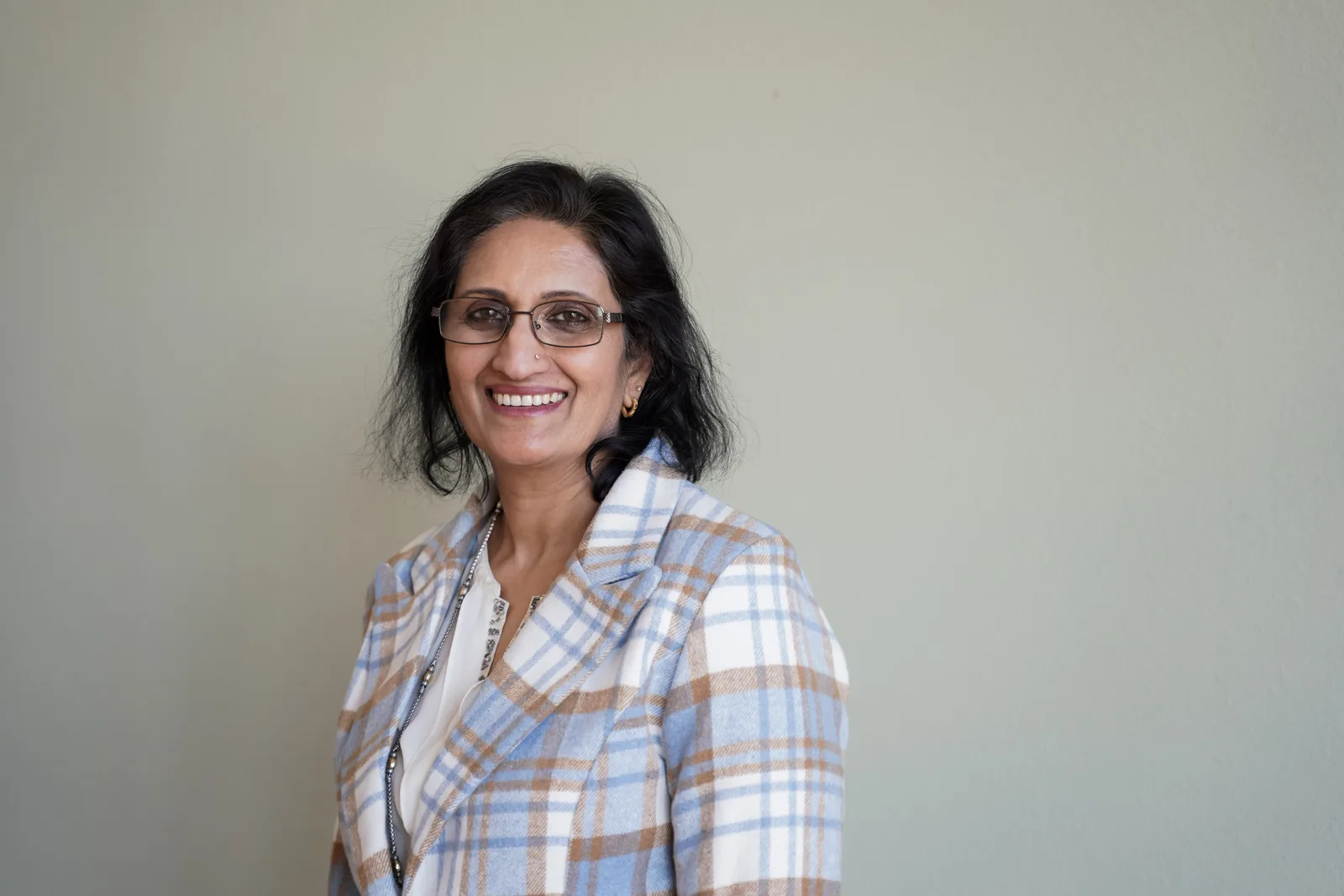
Written by
Sujatha Reddy, LPC, BC-TAM, NMCF
Founder & Executive Director, Sangam Healing Center
View profile →