Colorado Psilocybin Roles: Facilitator vs. Therapist vs. Integration Coach
Sangam Team · July 26, 2026
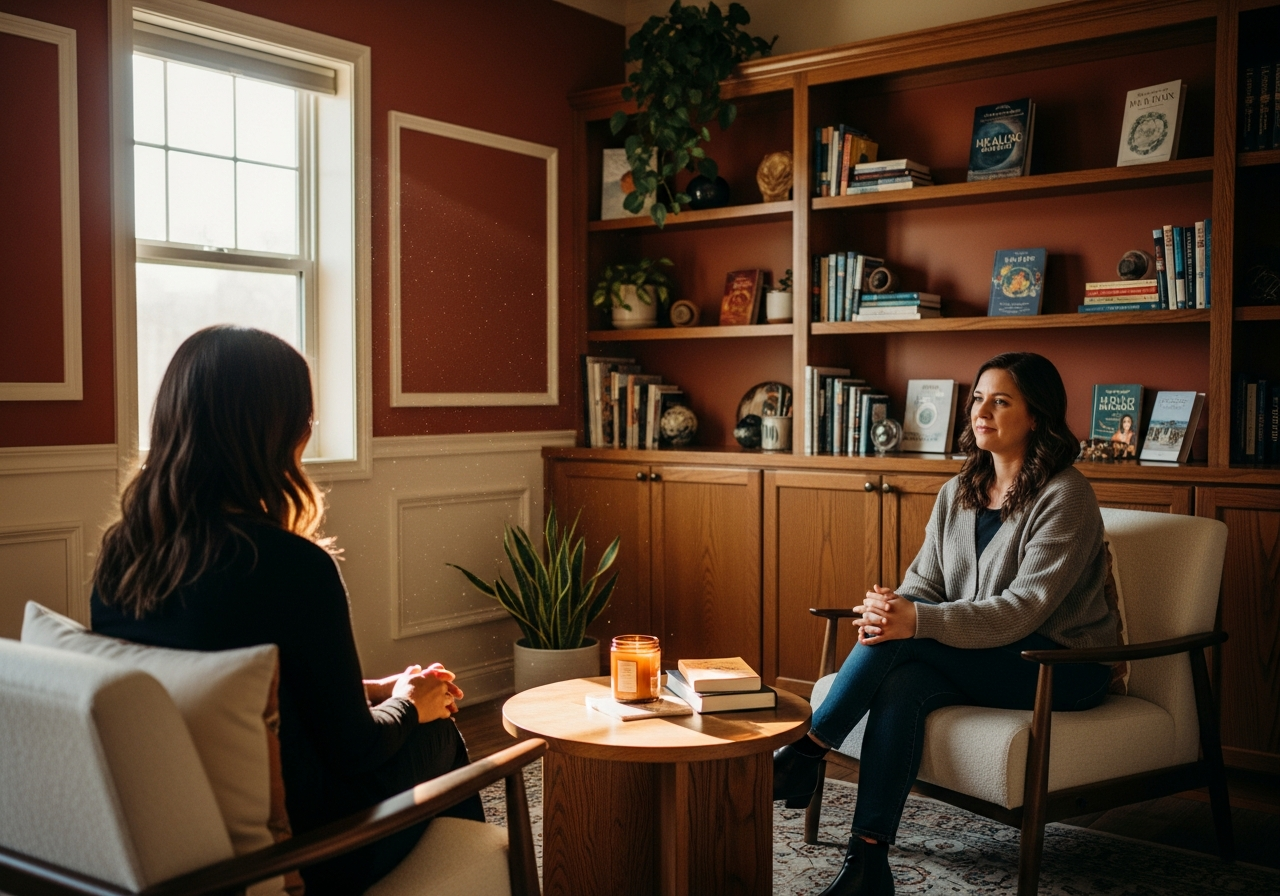
Finding the right support for psilocybin work in Colorado can feel confusing. You may hear about facilitators, therapists, guides, coaches, and retreat centers, all using similar language but offering very different services. If you are a thoughtful person who cares about safety and trauma healing, this can be stressful.
Colorado's Natural Medicine program is growing, which means more legal options and more licensed psilocybin practitioners in Colorado than in the past. That is a good thing, but only if you understand who does what and how they can work together for your care.
In this article, we will walk through three of the most common roles you will run into: facilitator, therapist, and integration coach. We will explain what each can and cannot do, how they often team up, and how we at Sangam Healing Center blend these roles with Ayurveda, somatic work, and holistic mental health care.
How Colorado's Psilocybin Laws Shape Your Options
Colorado's Natural Medicine Health Act created a path for legal, adult-use of psilocybin in supervised settings. Instead of a quick "take-home" model, the law focuses on guided services in approved locations with trained providers. Rules continue to evolve, so it is always wise to ask current questions about licensing and center approval.
In simple terms, "legal" psilocybin services in Colorado usually mean:
- Sessions happen in state-approved or compliant service centers, not private homes
- A trained and licensed psilocybin facilitator is present during dosing
- There is some form of screening to look at medical and mental health history
- Basic safety plans are in place, including consent, clear agreements, and emergency steps
Legal does not mean "anything goes." Providers are expected to respect scope of practice, stay within their training, and refer out when something is outside their lane. For you as a client, this means you may have more than one person on your support team.
Summer and early fall tend to be popular times for psilocybin sessions and retreats in Colorado. The weather is usually easier, people take time off work, and many feel ready to do deeper inner work. Planning ahead can give you time to:
- Meet with more than one practitioner and feel out fit
- Complete medical and mental health screening without rushing
- Do thoughtful preparation, intention setting, and nervous system work
- Arrange space in your schedule for integration afterward
Psilocybin Facilitators Explained: Guides for the Journey
In Colorado's system, a state-licensed psilocybin facilitator is trained to guide legal psilocybin sessions in approved settings. Their main focus is safety, presence, and process, not doing therapy or giving you answers. Training often includes ethics, trauma awareness, basic support skills, and how to hold a safe, non-directive space.
A facilitator can usually:
- Offer preparation meetings so you know what to expect
- Help you shape intentions in clear, grounded language
- Be present during dosing, from start to finish
- Support grounding with breath, gentle touch if agreed upon, and calming cues
- Monitor comfort and, if trained, basic vital signs
- Step in if there is a clear safety issue or you need medical help
A good facilitator understands boundaries. They respect your inner process instead of pushing a specific story or belief. They know when to be quiet, when to offer a simple question, and when to call in extra support.
There are also clear limits. Unless they hold another license, facilitators generally cannot:
- Diagnose mental health conditions
- Prescribe or change medications
- Provide formal psychotherapy
- Promise that psilocybin will "fix" any specific problem
When you meet a facilitator, helpful questions include:
- What is your training and license, and how long have you been doing this work?
- How do you work with trauma and intense emotions?
- Do you coordinate with therapists or medical providers?
- What kind of preparation and integration do you offer?
Therapists and Clinicians: When You Need Deeper Mental Health Care
Licensed therapists and other mental health clinicians play a different, but very important, role. Their main job is mental health care, not psilocybin itself. Many people benefit from working with a therapist alongside a licensed psilocybin practitioner in Colorado, especially when trauma, depression, anxiety, or relationship strain are part of the picture.
Therapists can help by:
- Taking a careful mental health history and offering diagnosis when appropriate
- Looking at family history of psychosis, bipolar spectrum, or other risk factors
- Coordinating with your medical provider about conditions and medications
- Helping you create intentions tied to trauma healing, grief, or relationship patterns
- Offering structured integration sessions after your psilocybin work
Some therapists are also trained and licensed as psilocybin facilitators. Others are not, and only see you before or after your session with another practitioner. Both setups can work well. You might want:
- A therapist who is also a facilitator if you prefer "one main person" for prep, dosing, and integration inside a legal setting
- A separate therapist if your long-term therapist does not do psilocybin work, but you still want their support around the meaning of your experience
Therapists who are not licensed in the psilocybin system are generally not allowed to handle or give psilocybin in legal services. Their role lives around the experience, instead of inside the dosing day itself.
Integration Coaches and Somatic Practitioners: Making Insights Last
A psychedelic experience can bring big insights, but daily life is where change actually happens. This is where integration coaches and body-based practitioners come in. At Sangam Healing Center, this often includes somatic work, Ayurveda-informed support, yoga, and breath practices.
Integration coaches can:
- Help you tell the story of your session in simple, grounded language
- Reflect your strengths and new insights back to you
- Co-create small, practical steps that match your intentions
- Guide nervous system regulation with breath, movement, or simple somatic tools
- Offer gentle accountability so you do not forget what mattered to you in the session
Related practitioners, like Ayurvedic counselors or somatic therapists, may also work with food choices, daily routines, body awareness, and spiritual practices that support long-term balance.
There are also important limits. Unless they hold a clinical license, integration coaches cannot:
- Diagnose mental health conditions
- Adjust psychiatric medications
- Provide crisis management or emergency mental health care
- Replace the role of a licensed therapist when deeper treatment is needed
The most helpful integration support is trauma-informed, body-aware, and in open communication with your facilitator and therapist when possible. This helps your whole system stay connected and safe.
Building Your Ideal Care Team with Sangam Healing Center
Many people ask, "Who do I actually need on my team?" The answer depends on your history, goals, and current support.
Some general patterns:
- A facilitator alone may be enough if you are emotionally steady, have no major mental health history, and mainly want spiritual or personal growth with solid preparation and integration built into the service
- Pairing a licensed psilocybin practitioner in Colorado with a therapist tends to be wise if you have trauma, mood concerns, or complex family patterns you want to work on more deeply
- Adding an integration coach or somatic work often helps when you want lifestyle, relationship, or spiritual changes to really stick over time
At Sangam Healing Center in Lakewood, we bring these pieces together under one roof as much as possible. Our focus is trauma-informed care, legal psychedelic-assisted sessions, and holistic support that includes Ayurveda and somatic practices for both individuals and couples. Some people come to work on long-standing trauma, others for relationship repair, and others for spiritual growth. We adjust the mix of facilitator support, therapy, and integration based on your needs, pace, and comfort.
The process usually unfolds over weeks, not days. You meet your team, clarify intentions, do screening, prepare your body and mind, then have your session inside a carefully held space. Afterward, integration sessions help you carry insights into real changes in how you relate to yourself and others.
Begin Your Psilocybin Healing Journey With Expert Guidance
If you feel ready to explore psilocybin as a tool for healing and growth, we are here to support you every step of the way. At Sangam Healing Center, our experienced team will help you determine whether this work is a good fit and what kind of preparation and integration you may need. Meet with a licensed psilocybin practitioner in Colorado to discuss your intentions, questions, and next steps in a calm, respectful setting. Reach out today so we can help you move toward a safer, more intentional psychedelic experience.
Ready to begin your journey?
Book a Consultation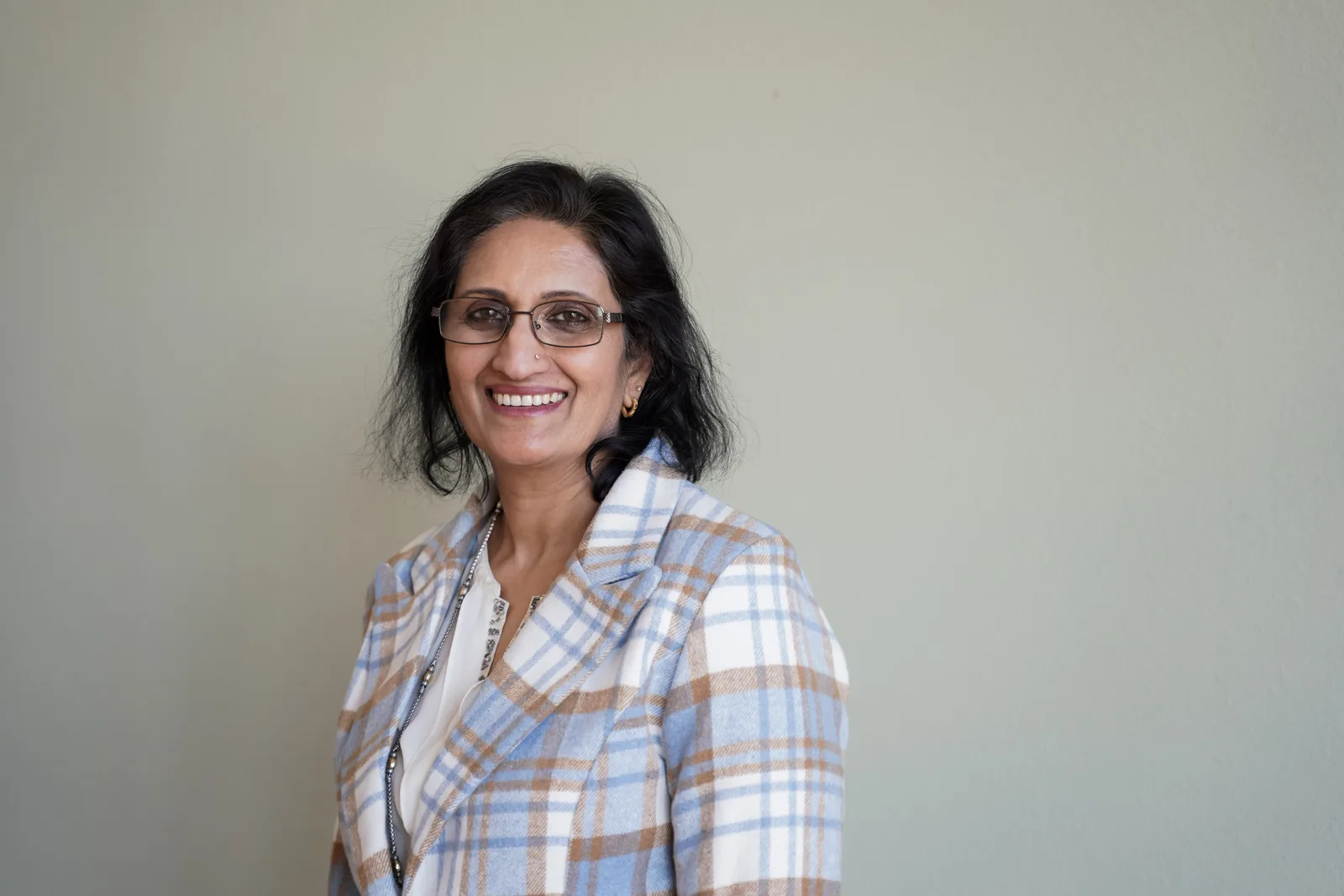
Written by
Sujatha Reddy, LPC, BC-TAM, NMCF
Founder & Executive Director, Sangam Healing Center
View profile →