
Whole-Person Care After Psilocybin: Integration, Referrals, Lifestyle
Sangam Team · June 10, 2026
Psilocybin experiences can open big doors. The session itself can be powerful, but what you do afterward is what shapes long-term healing. Without a grounded plan, even the most meaningful insights can fade or feel confusing.
At Sangam Healing Center in Lakewood, we see the weeks after psilocybin work as a time to gently reorient your whole life. We bring together psychotherapy, somatic practices, Ayurveda, and other holistic tools to help you turn what you saw and felt into daily choices that support your mental health, body, and spirit over time.
Understanding Integration as a Whole-Person Process
Integration is the ongoing process of making your experience part of your real life. It is not just talking about what happened. It is about:
- Making sense of images, emotions, and insights
- Calming and steadying the nervous system
- Shifting habits, relationships, and routines so they match what you now know
After psilocybin, many people feel more open and sensitive. Thoughts may feel clearer, or emotions may sit closer to the surface. This sensitive window can make it easier to change old patterns, but it can also feel shaky without support. A grounded care plan gives that sensitivity a safe container.
We use a holistic mental health lens, which means we look at more than symptoms. We pay attention to emotional processing, physical regulation, spiritual meaning, and social connection. When all of these are held together, change tends to feel steadier and more real.
Core Components of a Post-Journey Care Plan
A thoughtful care plan after psilocybin usually has three main pieces: emotional support, body-based support, and daily structure.
Trauma-informed counseling and integration sessions can help you unpack what came up without pushing too fast. This might include:
- Gently exploring memories or images from the session
- Naming new insights about self-worth, grief, or relationships
- Working with fear, shame, or confusion that may also appear
The body often carries as much of the experience as the mind. Somatic support can include:
- Simple breathwork for settling or energizing
- Grounding practices like feeling your feet, using weighted blankets, or connecting with nature
- Gentle movement, stretching, or trauma-informed yoga
Daily rhythms can either support or scramble healing. We often work with people to:
- Set consistent sleep and wake times
- Plan regular, nourishing meals
- Carve out tech-free time, especially early morning and before bed
- Create simple nature rituals, such as a short walk outside each day
Working with Your Existing Care Team
Whole-person care often means you do not do this alone with just one provider. We support people in building a circle of care that may include their existing therapist, psychiatrist, primary care physician, or naturopath. If you are already seeing a mental health provider, we encourage open communication between practitioners so your care is coordinated rather than fragmented.
If you are on psychiatric medications, it is especially important to loop in your prescribing provider before and after psilocybin work. Some medications can interact with psilocybin or may need adjustment as your mental health shifts through the integration process. We support clear, honest communication with all members of your care team.
Mindful Rituals and Relationship Shifts
Simple daily rituals help keep your experience alive in a grounded way. Some options include:
- Journaling a few lines each day about how you feel and what you are learning
- Creative expression such as drawing, music, or crafting
- Quiet meditation, prayer, or breath practices
- Ayurvedic-informed care like warm easy-to-digest meals, oil self-massage before a shower, or calming teas in the evening
Psilocybin work often brings clarity about what is and is not working in your relationships and daily life. Integration may mean:
- Trying new communication patterns, like pausing before reacting
- Setting firmer or kinder boundaries with social media, news, or work hours
- Reconsidering your relationship with substances, including alcohol or cannabis
- Starting small, steady changes instead of sweeping life overhauls
We help you translate big insights into small, doable steps that add up over time.
Choosing Ongoing Support That Honors Your Whole Self
Finding the right ongoing support is part of caring for the insights you received. When you meet a potential therapist or integration practitioner, you might ask:
- How do you work with trauma and nervous system regulation?
- How do you honor my culture, identities, and spiritual background?
- What is your experience with psychedelic-assisted therapy and integration?
- How do you include the body, lifestyle, and relationships in your work?
At Sangam Healing Center, we see integration as a long arc, not a single follow-up session. We blend psychotherapy, somatic skills, and Ayurvedic-informed lifestyle support to create care plans that can shift as you do. The heart of all this is simple: your psilocybin session is one step in a longer healing path. With a whole-person care plan, the insights from that day can become daily choices that bring more steadiness, meaning, and connection into your life.
If you are ready to address your mental and emotional wellbeing at the root, explore our holistic mental health and integration offerings at Sangam Healing Center. Reach out today so we can work together on a path that feels grounded, compassionate, and sustainable for you.
Ready to begin your journey?
Book a Consultation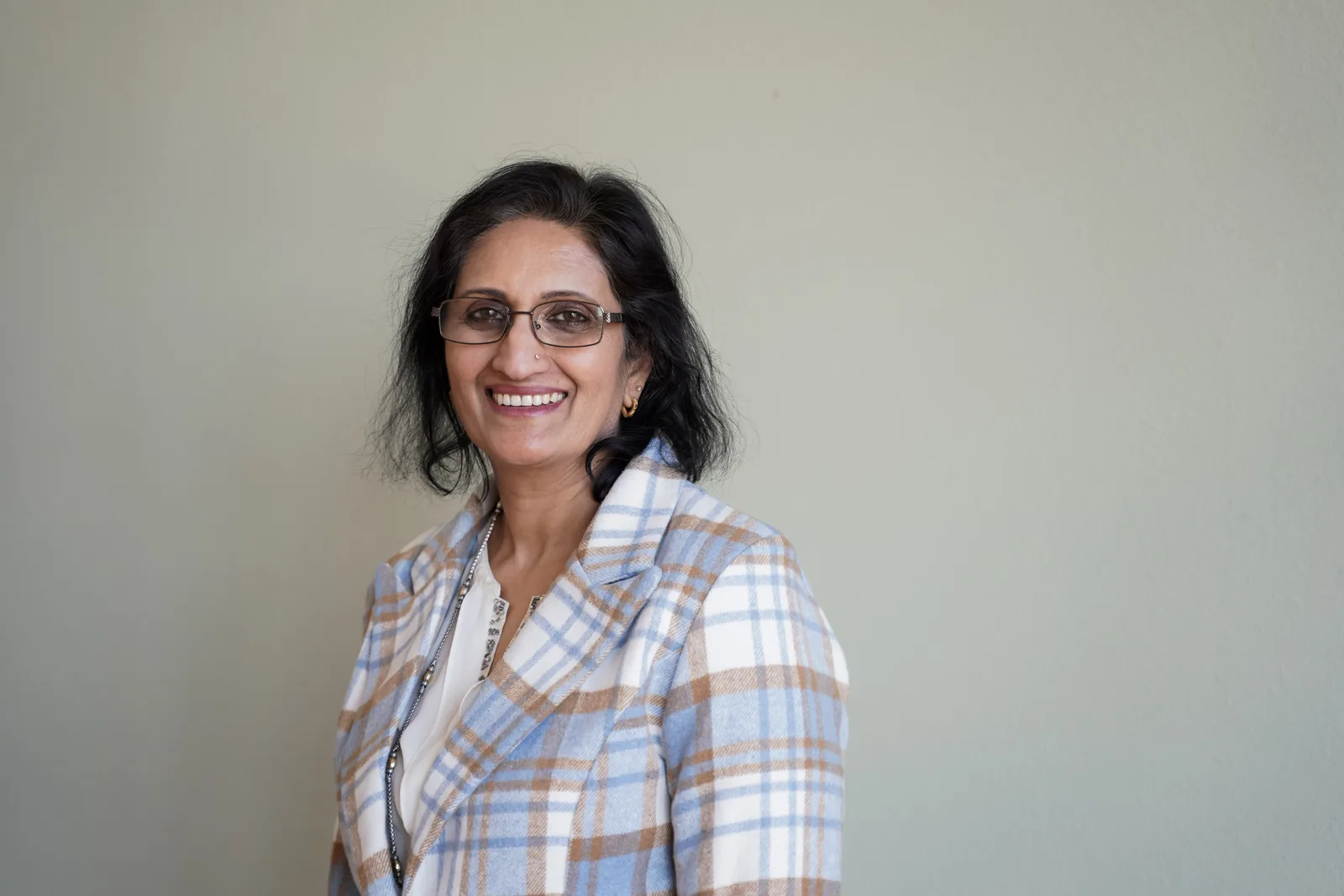
Written by
Sujatha Reddy, LPC, BC-TAM, NMCF
Founder & Executive Director, Sangam Healing Center
View profile →