Red Flags vs. Green Flags in Colorado Psilocybin Care: Ethics and Safety
Sangam Team · August 13, 2026
Navigating Psilocybin Choices in Colorado's New Landscape
Choosing to work with psilocybin for healing is a big deal. Your nervous system, your trauma history, and your future all sit in that choice, so it deserves more care than a quick online search and a fast booking.
Colorado's natural medicine laws are changing how people seek support. Late summer can feel especially busy, with retreat ads, "back‑to‑school reset" offers, and people flying into Colorado for intensive healing. When there is a rush, it becomes even more important to slow down and really check who you are trusting with your mind and body.
In this article, we will walk through clear red flags and green flags to look for when choosing psilocybin care in Colorado. We will talk about ethics, scope of practice, safety planning, and why trauma‑informed, holistic support matters just as much as the medicine itself. Our hope is that you feel more grounded and confident as you search for a licensed psilocybin practitioner in Colorado or any other guide you might consider.
Understanding Legal Psilocybin Care in Colorado
Colorado's natural medicine laws can feel confusing. There are different layers: state‑regulated settings, more informal settings, and personal use rules. Not everyone offering psilocybin support is a licensed psilocybin practitioner in Colorado, and "legal" does not always mean "safe for your specific history."
Here are a few basic distinctions to understand before you choose:
- Licensed mental health professionals may offer preparation and integration therapy, and in some settings may work directly with psilocybin within their legal and ethical rules.
- Bodyworkers, coaches, and spiritual guides may offer support around mindset, body awareness, or ceremony, but they still need to stay within their training and scope.
- Some people work in unregulated spaces, which may carry more risk around safety, oversight, and accountability.
Scope of practice is a simple idea with big impact: it is about what each type of practitioner is trained and allowed to do. For example, someone who is not a licensed therapist should not claim to treat PTSD or other mental health diagnoses. They can, however, focus on general support, nervous system care, or spiritual practices if that fits their background.
For people with complex trauma, medical issues, or sensitive nervous systems, a trauma‑informed and holistic approach can be very important. At our Lakewood practice, we bring together somatic counseling and Ayurvedic care, which can help clients prepare their bodies, understand seasonal stressors like late‑summer burnout, and build daily rituals that support integration over time.
Red Flags That Signal Risky or Unethical Psilocybin Care
Not every smiling website or pretty retreat photo tells the full story. Some signs should make you pause and reconsider before saying yes.
Watch out for red flags like:
- High‑pressure sales, "limited spots," or "buy now or miss your healing" language
- Promises of instant cures for trauma, depression, or grief
- Dismissing your questions or making you feel "difficult" for asking about risks
Consent and power are at the heart of safe psilocybin care. If someone avoids talking about possible hard experiences, skips asking about heart conditions, psychosis history, or current medications, or tells you that "everyone is fine" and you are "overthinking it," they may not be taking your safety seriously.
Scope and credentials are another key area. Red flags here include:
- Being vague about licensure or refusing to say what they are actually licensed to do
- Using protected titles like "therapist" or "counselor" without a clear license
- Taking on very complex trauma or psychosis histories without relevant training or support
Safety gaps can also show up in the logistics:
- No structured intake or medical screening
- No plan for emergencies or intense psychological reactions
- Overcrowded groups with little staff support, or mixing very vulnerable clients with people who have very different needs
- Physical spaces that feel unsafe, cluttered, or hard to exit if you become overwhelmed
If you notice several of these, it is usually a sign to step back and keep looking.
Green Flags of Ethical, Trauma‑Informed Psilocybin Support
On the other side, there are clear green flags that show someone is serious about ethics and care. These signs help your nervous system relax before you ever touch the medicine.
Look for transparent training and licensure:
- They clearly name their role, such as a licensed therapist, counselor, or facilitator
- They can explain where they trained in psychedelic work and trauma care
- They are honest about whether they are a licensed psilocybin practitioner in Colorado or are working in a different, legally defined role
- They talk openly about how they stay within scope, including when they bring in other professionals
Ethical providers put a lot of attention into preparation and integration, not just the "big day." Green flags here include:
- A thorough intake, with real time to talk about history, goals, and fears
- Screening for medical issues, psychiatric history, and current medications
- Gentle guidance on body‑based practices, nutrition, sleep, and daily rhythm so your system is more ready
At Sangam Healing Center, we also weave in somatic tools and Ayurvedic wisdom to help clients notice how their bodies respond over time, not only during one session. This kind of approach supports slower, steadier healing.
Client‑centered safety culture might be the strongest green flag of all. That looks like:
- Clear informed‑consent documents, written in plain language
- Simple, respectful rules around any touch or physical support
- Space to talk honestly about culture, identity, and spiritual background
- A willingness to refer out, co‑manage care, or say "this setting is not right for you" when needed
When someone gives you full permission to say no, pause, or change your mind, that is a good sign they are respecting your whole self.
How to Vet a Psilocybin Practitioner Before You Commit
You are allowed to ask direct questions before you let anyone guide you in altered states. A thoughtful practitioner will welcome this.
Consider asking:
- What kind of license do you hold, and in which state?
- What specific training do you have in psychedelics and in trauma?
- How do you handle intense or challenging experiences during sessions?
- What does preparation look like? What does integration look like over time?
- How do you decide when to refer someone to a different level of care?
During your first email, call, or consult, pay attention to:
- How they respond to your concerns or fears
- Whether they speak clearly about what is and is not legal in their setting
- How open they are about policies, including cancellations and boundaries
- Whether you feel rushed, sold to, or gently invited into a shared decision
Seasonal factors matter too, especially around August. Retreat‑style offerings can seem appealing if you want a reset, but it helps to ask:
- Is there support nearby if something medical or psychiatric comes up?
- How will my body handle altitude, heat, and hydration in Colorado?
- What is the plan for integration once I return home and old stressors show up again?
For many people, slower, local, ongoing care gives more space for nervous system repair than a single intensive weekend.
Choosing Psilocybin Care That Honors Your Whole Self
When you can tell red flags from green flags, you claim more power over your own healing path. Instead of chasing a quick fix, you are choosing care that respects your history, your limits, and your long‑term growth.
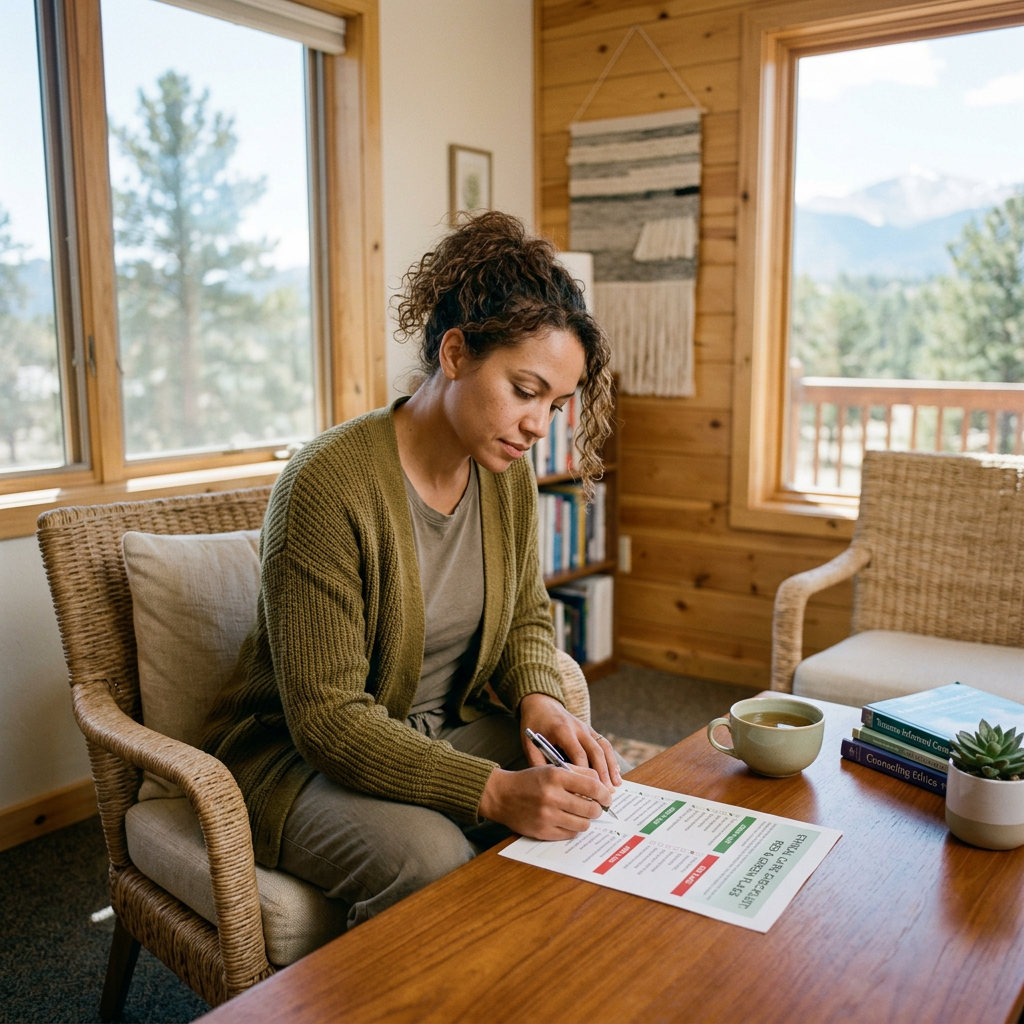
Taking time to journal about your intentions, fears, and safety needs can help you build your own checklist for choosing a licensed psilocybin practitioner in Colorado or any other guide. At Sangam Healing Center, we are committed to ethical, trauma‑informed, and holistic care that looks beyond "the trip" and toward the everyday life that follows. Your healing deserves that kind of grounded, steady support.
Begin Your Psilocybin Healing Journey With Trusted Guidance
If you feel ready to explore psilocybin as a tool for growth and healing, we are here to support you with care and clarity. At Sangam Healing Center, our team will walk you through every step so you can feel informed, grounded, and safe. Connect with a licensed psilocybin practitioner in Colorado today to discuss your intentions, questions, and next steps for this work.