
Recognizing When You Need Trauma-Informed Coaching in Colorado
Sangam Team · September 6, 2026
Some days you get everything done, yet your body feels like it is on high alert. You show up for work, care for your family, answer messages, but inside you feel tense, foggy, or totally checked out. On the outside you look fine. On the inside you feel anything but fine.
This is what we often see as “functioning but flooded.” Your nervous system is working overtime, even when your life looks okay on paper. That ongoing stress can be a sign of trauma, not just from big events, but from what people sometimes call “little t” trauma too.
“Little t” trauma can look like:
- Chronic stress at work
- Growing up in a tense or critical home
- Long-term health issues
- Microaggressions or feeling unsafe because of identity
- Difficult relationships that wear you down over time
Traditional talk therapy is helpful for many people. But sometimes insight alone does not shift the tight chest, racing heart, or constant dread. At that point, a trauma-informed coach in Colorado who understands the body, the mind, and your real life can be a powerful partner. At Sangam Healing Center, we blend Ayurveda, somatic work, and modern psychotherapy approaches, and trauma-informed coaching is one way we support this fuller kind of healing.
How Trauma Shows Up in Everyday Colorado Life
Trauma does not always show up as dramatic flashbacks. Often, it hides in small, daily struggles that are easy to dismiss or explain away.
You might notice:
- Irritability over tiny things
- Chronic fatigue, even when you sleep
- Trouble falling or staying asleep
- Emotional ups and downs that feel out of proportion
- Difficulty focusing or remembering tasks
- Feeling detached from yourself or others
Seasonal changes can stir this up too. In Colorado, shifts into fall, shorter days, and changes in routine can bring old feelings to the surface. When life slows down even a little, the stress you used to push through can become louder.
Relationships often show trauma patterns as well. Maybe you:
- People-please to keep the peace
- Avoid conflict at all costs
- Shut down when someone is upset with you
- Repeat the same unhealthy dynamics at work or in love, even though you “know better”
These are not signs that you are broken or dramatic. They usually point to a nervous system that learned to protect you in smart ways, but now feels stuck in those old settings. Trauma-informed coaching pays close attention to this, so change is not just about “trying harder,” but about helping your body feel safer.
Key Signs You May Benefit From Trauma-Informed Coaching
It can be hard to know when it is time for trauma-informed support instead of just more self-help tools. Some red flags include:
- Panic, rage, or total shutdown during conflict
- Feeling unsafe or “on edge” in your own body
- Intense reactions to small stressors, like a tense email, mild feedback, or a small change in plans
- Feeling like you leave your body when things get hard
You might also feel deeply “stuck.” You have read the books, gone to workshops, maybe spent years in therapy or spiritual practice. You understand your patterns, yet your body and behavior loop the same way when you are stressed. Insight is there, but it is not translating into new choices.
This can be especially true for Colorado caregivers, healers, teachers, outdoor professionals, and service workers who are constantly holding space for others. Burnout, compassion fatigue, and a sense of losing touch with your own purpose can all be signs your system needs trauma-sensitive care.
Trauma-informed coaching can be a strong fit if you:
- Are mostly stable day to day, but feel overwhelmed or stuck
- Want to work gently with your body and emotions, not against them
- Are ready to make practical changes in your life, with support
There are also times when higher-level mental health care is needed. If you are dealing with current suicidality, active addiction, or unmanaged psychosis, a therapist, psychiatrist, or acute care team is important. A trauma-informed coach in Colorado can often collaborate with other providers so your support is more complete and consistent.
What Makes Coaching Trauma-Informed, Not Just Motivational
Coaching is a broad word. Some coaching is very goal-focused and “push through” in style. That can work for certain goals. But when trauma is in the picture, forcing yourself harder can backfire, leaving you feeling even more unsafe or like you failed.
Trauma-informed coaching puts your safety and pacing first. It is less about cheerleading and more about building a stable base inside you. Core principles include:
- Choice: you always have a say in what you explore
- Collaboration: you and the coach work as a team
- Empowerment: your strengths and wisdom are honored
- Cultural humility: your identity, history, and the systems you live in are treated with respect
Somatic tools are a big part of this kind of work. Sessions may include:
- Gentle breath practices to find steady ground
- Simple movements or postures to release tension
- Grounding skills to stay present in your body
- Curious, compassionate questions that help you notice what you feel, not just what you think
A trauma-informed coach in Colorado might also weave in mindfulness, nature-based time, or Ayurveda-informed lifestyle shifts like sleep routines, daily rhythm, and nourishment. When it is appropriate and legal, they may support you with preparation for and integration after natural medicine or psychedelic-assisted experiences, always centering safety and consent.
How Sangam Blends Coaching, Somatics, and Psychedelic Support
At Sangam Healing Center in Lakewood, we bring together trauma-informed coaching, holistic counseling, somatic practices, and modern psychotherapy principles. We see healing as a full-body, full-life process, not a quick fix.
For some people, legal natural medicine or psychedelic-assisted therapy can open deep emotional material. This can feel powerful, but also confusing or tender afterward. Coaching before and after these experiences can help you:
- Set intentions that feel grounded and clear
- Build nervous system tools so you feel safer during deep work
- Make sense of what came up afterward, without rushing
- Turn insights into small, doable life changes
A typical session with us may include grounding exercises, checking in with your body, exploring triggers through a nervous system lens, and noticing where old patterns are still driving the show. We might look at your sleep, digestion, and daily habits through an Ayurvedic perspective and then create simple next steps that match your actual capacity, not some ideal version of you.
Our setting is small and relational, which can feel especially supportive for individuals, couples, and small groups who want a more personal experience. As life invites more reflection and slowing down, many people feel called to deeper inner work, and trauma-informed coaching can be one gentle path into that work.
Taking Your Next Step Toward Trauma-Sensitive Support
If you see yourself in these signs, it can bring up mixed feelings. On one hand, you might feel relief that there is a name for what you are going through. On the other hand, you might feel fear, shame, or worry that you are “too much.” Noticing the patterns is not a failure. It is a sign you are ready for a different kind of support.
When you look for a trauma-informed coach in Colorado, you might ask about:
- Their training in trauma and somatic work
- How they support nervous system regulation
- Their approach to identity, culture, and systemic stress
- Their comfort working alongside therapists or psychiatrists
- Their experience with natural medicine or psychedelic integration, if that is part of your path
Above all, you deserve care that respects your story, your body, and your pace. At Sangam Healing Center, we hold trauma-informed coaching, holistic counseling, and psychedelic-assisted support as parts of one integrative healing path, so you do not have to sort it all out alone.
Begin Your Trauma Healing Journey With Supportive Guidance
If you are ready to gently unpack what you have been carrying and find new ways to move forward, we are here to walk beside you. At Sangam Healing Center, we create a grounded, compassionate space so you can feel safe, seen, and heard as you heal. Work with a dedicated trauma-informed coach in Colorado who respects your pace and your story. Book your session today to start building more resilience, clarity, and ease in your daily life.
Ready to begin your journey?
Book a Consultation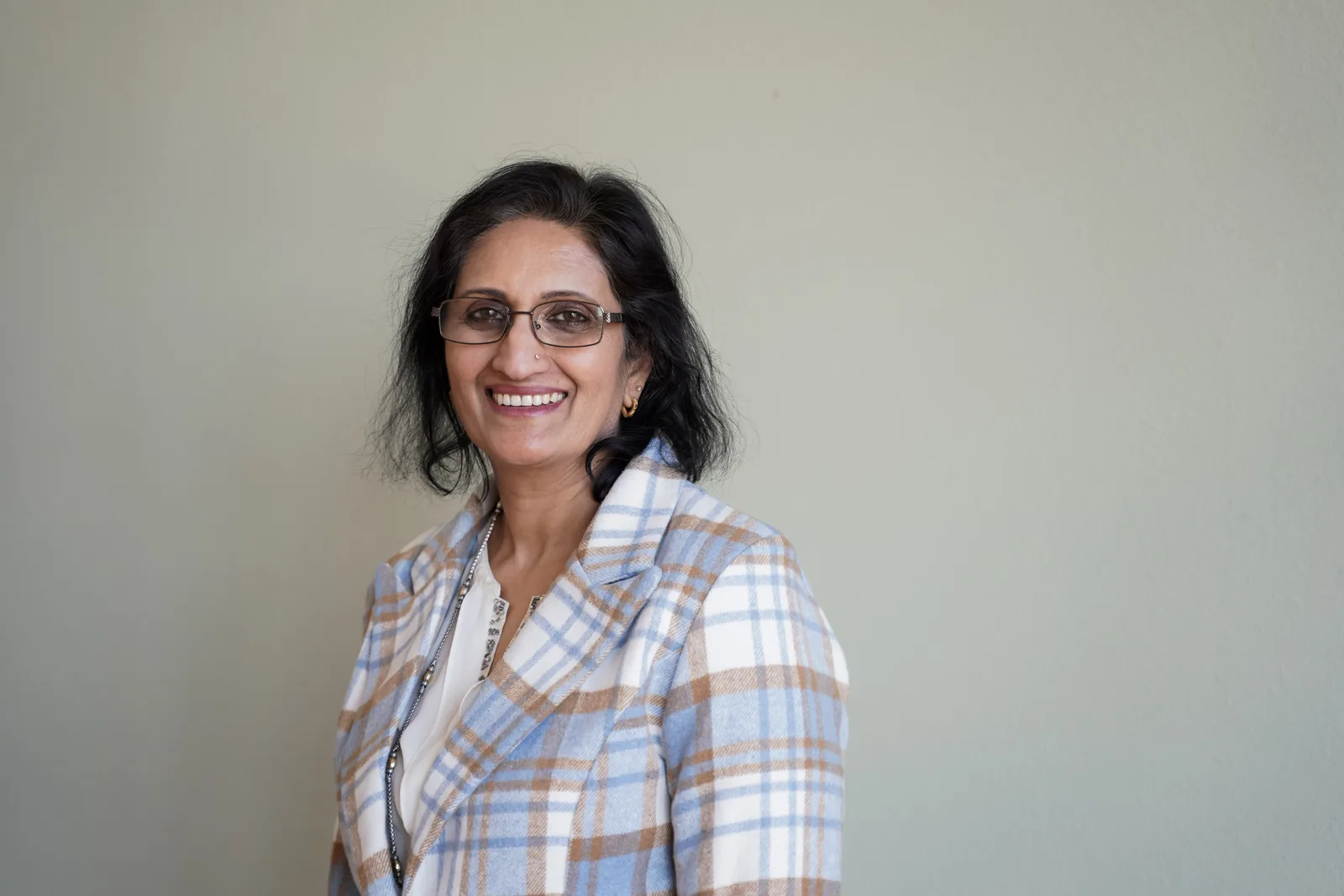
Written by
Sujatha Reddy, LPC, BC-TAM, NMCF
Founder & Executive Director, Sangam Healing Center
View profile →